Curious about feeding your pet a raw diet? Unlike traditional kibble, raw pet food is minimally processed and made with simple, high-quality ingredients that naturally retain more moisture, protein and nutrients. Whether you’re exploring raw feeding for the first time or comparing different diet options, this guide covers everything you need to know — from the benefits of raw food to tips for making the transition.
Looking for quick answers? Jump to our Ask an Expert: Raw Pet Food FAQs at the end of this guide.
“WHY DO PET PARENTS CHOOSE A RAW DIET?”
A complete and balanced raw diet can support your pet’s health in many ways. Here are 10 of the biggest reasons pet parents choose raw food:
- Energy & vitality
- Oral hygiene
- Better digestion
- Smaller poops
- Food sensitivities
- Weight management
- Strengthened immune system
- Healthy skin & coat
- Strong body
- Mealtime excitement
Let’s dig into each of these raw food benefits and learn how they can help your pet thrive.
1. INCREASED ENERGY & VITALITY
2. ORAL HYGIENE
Raw food delivers naturally occurring protein, vitamins and minerals that help support healthy energy levels and overall vitality throughout every stage of your pet’s life.
Raw diets can help support better oral health by providing natural enzymes that reduce bacteria in your pet’s mouth. Raw pet food is also lower in carbohydrates, which may further contribute to better dental health.
3. BETTER DIGESTION
4. SMALLER (LESS STINKY) POOPS
Raw food is designed to more closely match your pet’s natural nutritional needs, making it easier for many dogs and cats to digest. Many recipes also include probiotics to promote a healthy digestive system.
Here’s another perk: Since pets are able to digest raw food more efficiently, they often produce smaller, firmer stools with less odor. Once fully transitioned, some pets may even poop less because they’re utilizing more of the nutrients in each meal.
5. LESS RISK OF FOOD SENSITIVITIES
6. WEIGHT MANAGEMENT
Raw recipes are made with simple, whole-food ingredients and without fillers like corn, soy and wheat. This can benefit pets with food sensitivities. It’s also important to note that this won’t prevent reactions to proteins they’re already allergic to.
Protein-rich, lower-carbohydrate raw diets can help pets maintain lean muscle while supporting a healthy body weight.
7. STRENGTHENED IMMUNE SYSTEM
8. HEALTHY SKIN & COAT
Raw diets provide antioxidants and other essential nutrients that help support a healthy immune system and overall wellness throughout your pet’s life.
A healthy coat starts with good nutrition. The natural fats and omega fatty acids found in raw recipes help nourish skin and promote a soft, shiny coat.
9. STRONG BODY
10. MEALTIME EXCITEMENT
The high protein content in raw diets, along with nutrients like glucosamine, chondroitin and L-carnitine, helps support strong muscles, healthy joints and overall mobility.
If your pet turns their nose up at mealtime, raw food may help. Many dogs and cats love the fresh taste and texture of raw meals, making them an exciting option for picky eaters.
“IS A RAW DIET SAFE FOR MY DOG OR CAT?”
Raw diets can be a healthy option for many pets when they’re sourced from reputable companies that follow strict food safety standards. At Kriser’s, we carefully select brands that prioritize ingredient quality, testing and safe production practices. As always, check with your veterinarian before making significant changes to your pet’s diet, especially if they have an existing medical condition.
You should always handle raw food and treats with care to help prevent contamination during preparation. It’s also important to ensure raw products are stored safely at home, according to the instructions on the packaging.
“HOW DO I TRANSITION MY DOG OR CAT TO A RAW DIET?”
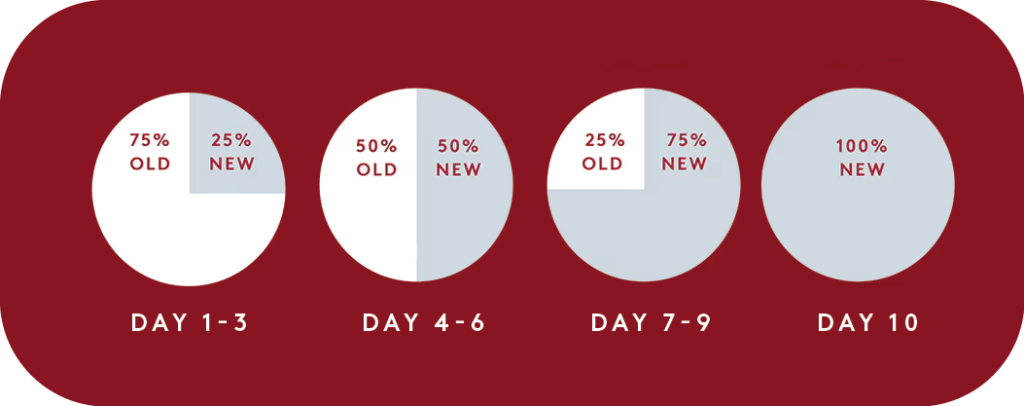
Introducing raw food gradually helps your pet adjust comfortably. Start by mixing a small amount of raw food into their current diet and slowly increase the amount over time. For pets with sensitive stomachs, pumpkin, goat milk or a probiotic can provide additional digestive support.
Every pet is different, but this 10-day transition plan works well for most dogs and cats:
“DO I NEED TO TRANSITION MY PET TO A FULLY RAW DIET?”
You don’t have to switch to a fully raw diet to enjoy the benefits. Even adding raw food as part of your pet’s routine can provide extra protein, moisture and variety. Depending on what works for your lifestyle and preferences, you can introduce one or more of the following products into your pet’s diet:
- Raw Food: Complete and balanced meals available in a variety of formulas, including fresh, frozen and freeze-dried.
- Raw Treats & Chews: Usually freeze-dried, packed with protein, and perfect for training, snacking and rewarding.
- Raw Toppers: Add a freeze-dried or frozen topper to your pet’s bowl for extra flavor, protein and nutrients.
“WHAT RAW PET FOOD IS BEST?”
Our Pet Foodies carefully select raw pet food brands that meet high standards for quality, nutrition and ingredient sourcing. Here are a few of our favorites:

- Stella & Chewy’s: Complete and balanced raw food recipes that support your pet’s whole-body health. Try Stella & Chewy’s food, treats and toppers.
- Primal Pet Foods: Premium, protein-rich raw food developed to nourish your pet according to their ancestral needs. Try Primal food, treats, toppers and hydrators.
- Vital Essentials: Raw frozen and freeze-dried recipes made in small batches with fresh, whole ingredients. Try Vital Essentials food, treats and chews.
- Steve’s Real Food: Raw dog and cat food designed to help your pet thrive on a species-appropriate diet. Try Steve’s Real Food meals and treats.
Ready to explore raw feeding? Browse our selection of raw meals, treats and toppers to find the right fit for your pet.
Still have questions? Stop by your neighborhood Kriser’s and chat with one of our Pet Foodies. We’d love to help you compare recipes, find your pet’s favorite protein or build a raw feeding plan that works for your lifestyle.
ASK AN EXPERT: FREQUENTLY ASKED QUESTIONS
ABOUT RAW PET FOOD
Is a raw diet good for dogs and cats?
A complete and balanced raw diet can support healthy digestion, skin and coat, lean muscles, energy and overall wellness. Talk to your vet before making major changes to your pet’s diet.
Is raw pet food safe?
Raw pet food can be a safe choice when it’s produced by reputable brands that follow rigorous quality control and food safety practices. Proper storage and handling at home are equally important.
How do I switch my dog or cat to a raw diet?
Transition gradually over 10 days by slowly replacing your pet’s current food with raw food. A slower transition may be best for pets with sensitive stomachs.
Do I have to feed a 100% raw diet?
Not at all! Many pet parents start by adding freeze-dried toppers, raw treats or occasional raw meals to increase variety without changing their pet’s entire diet.
Can puppies and kittens eat raw food?
Yes, as long as the recipe is complete and balanced for growth and appropriate for their life stage. Follow the feeding guidelines on the package or ask your vet for advice.
Can senior dogs and cats eat raw food?
Many senior pets thrive on a complete and balanced raw diet. If your pet has a medical condition, consult your vet before switching foods.