
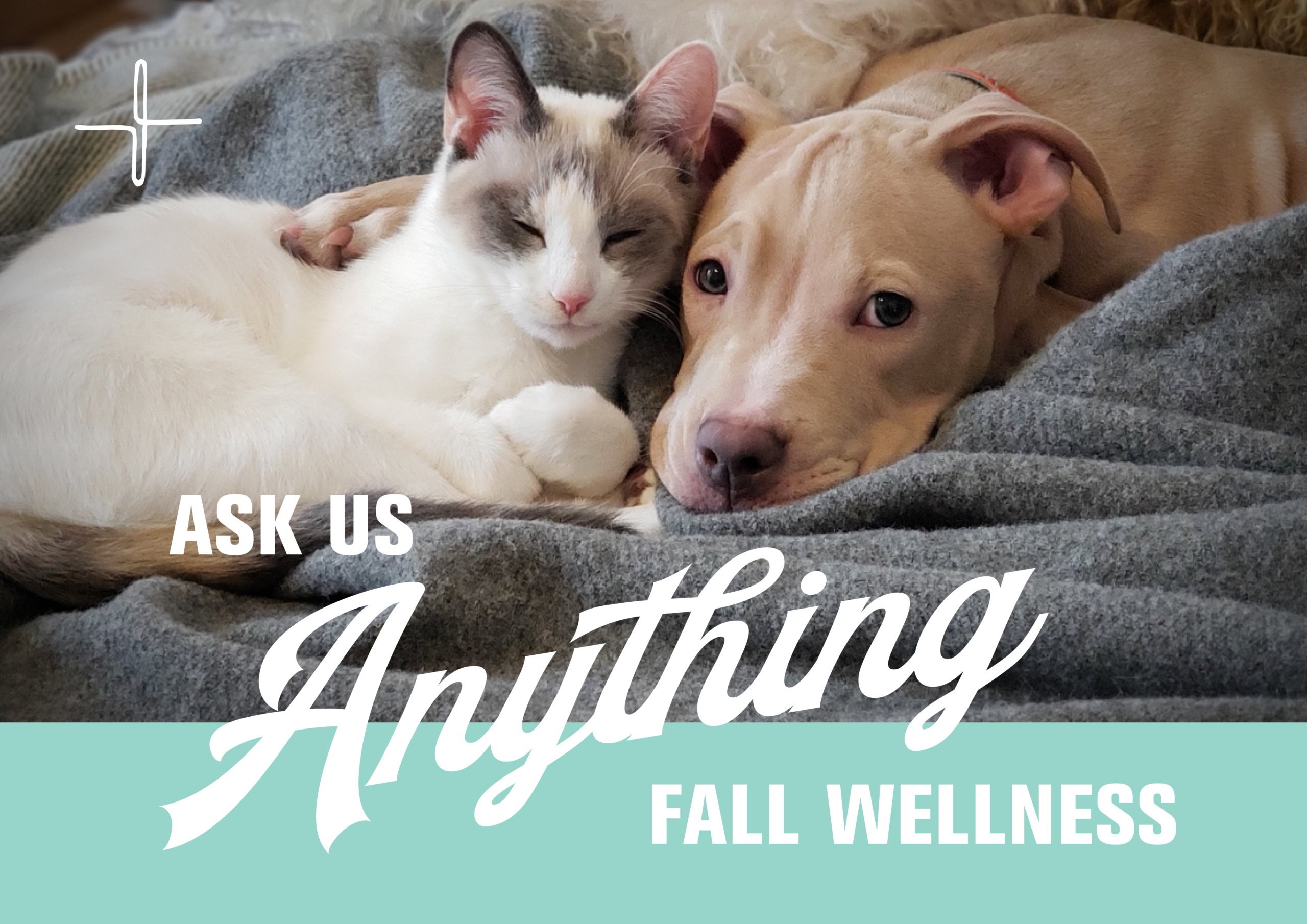
There’s a lot to love about fall! Cooler weather, changing leaves and more cozy time at home make it a fun season to enjoy with your pet. But as the seasons change, so do your pet’s needs. From fall essentials for dogs and cats to important fall pet safety tips, a little prep can help keep your BFF comfortable, happy and healthy all season long. In this guide, we’ll cover what to have on hand for fall and simple ways to help your pet stay safe.
Short on time? Skip to our Ask an Expert: FAQs at the end for quick answers to common questions about fall pet care and safety.
WHAT DOES MY PET NEED FOR FALL?
A few seasonal essentials can help your pet stay comfortable and make the most of fall. Add these fall pet essentials to your shopping list:
- Cozy bedding
- Nutritious food & toppers
- Grooming supplies
- Outdoor gear
- Enrichment & entertainment
- Flea & tick prevention
- Visibility & identification
Let’s take a closer look at these fall essentials for dogs and cats and how they can support your pet throughout the season.
1. CREATE A COZY SPOT
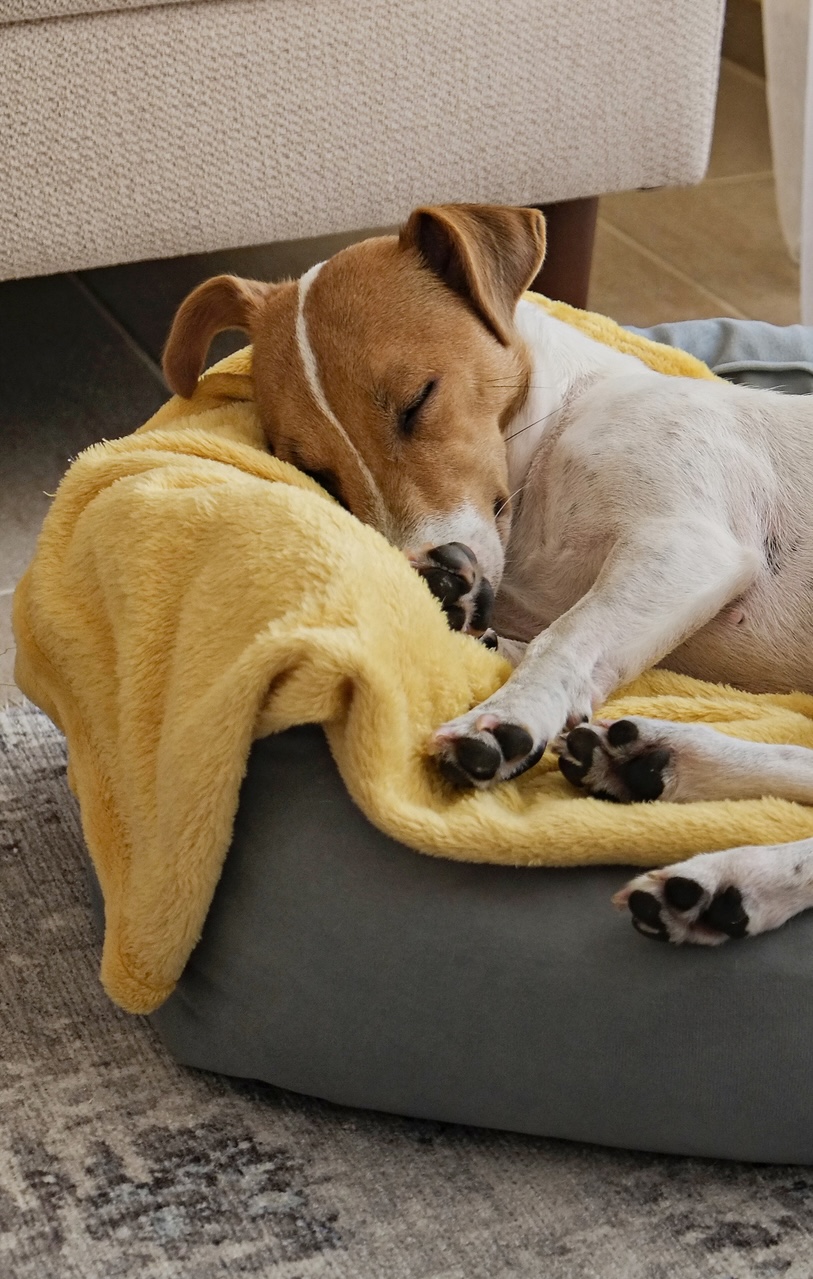
When temperatures start to cool down, your pet may appreciate a little extra warmth. A soft pet bed or cozy blanket gives your BFF a comfortable spot to curl up on chilly mornings and relaxing evenings.
2. REFRESH THEIR FOOD & TOPPERS
Fall is a great opportunity to check in on your pet’s nutrition. Choose a complete and balanced food that provides the nutrients they need, then consider adding a superfood topper for extra flavor and nutrients. Options like pumpkin and bone broth can make a tasty addition to their bowl. Just keep in mind that treats and meal toppers should make up no more than 10% of your pet’s diet.
3. STOCK UP ON GROOMING ESSENTIALS
More time outdoors can mean bringing home extra dirt, leaves and moisture. Keep pet grooming essentials nearby to help your pet’s coat stay clean and free of debris. Regular brushing can also help manage shedding and gives you an opportunity to check their skin and coat for anything unusual, including fleas & ticks, rashes or hot spots.
4. GET READY FOR FALL ADVENTURES
Cooler temps can make fall a great time for getting outside with your dog (or cat). Make sure you have the basics for outdoor adventures, including warm gear, plus a sturdy leash, collar and harness. Since daylight fades earlier, reflective gear and a collar light can help your dog stay visible on early morning and evening walks.
5. KEEP THEM BUSY INDOORS
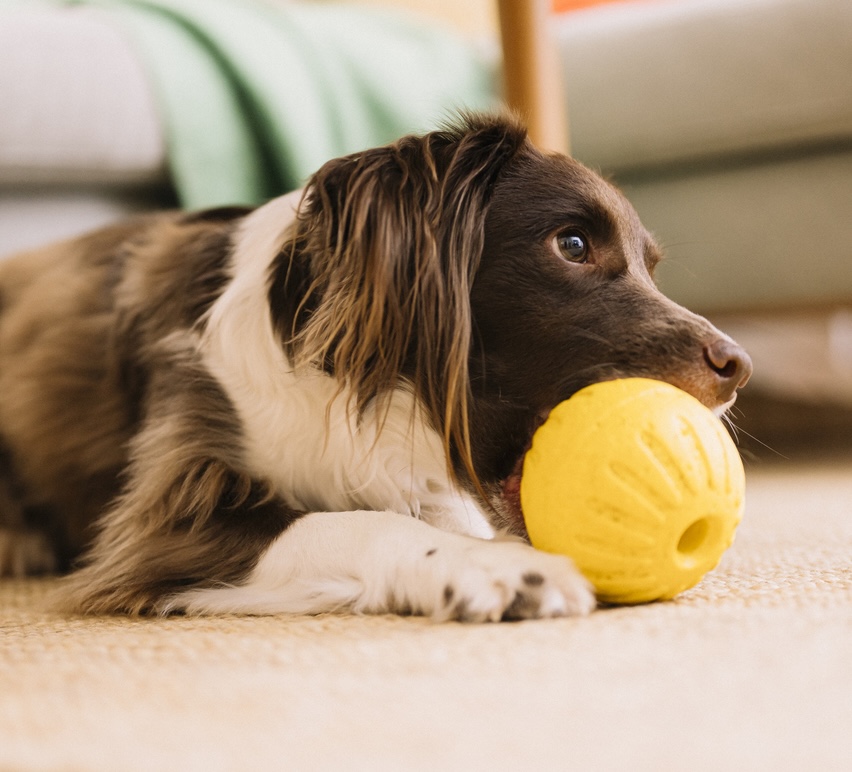
Rainy and chilly days can mean more indoor time. Keep your pet engaged with puzzle toys and treat-dispensing toys that provide fun and mental stimulation for both dogs and cats. You can also rotate toys throughout the season to give old favorites a fresh feel.
6. STAY ON TOP OF FLEA & TICK PREVENTION
Summer may be winding down, but fleas & ticks are still active in the fall. Indoor pets can even be exposed, so make sure to keep your pet’s preventative care routine on track. After spending time outside, check your pet for ticks before heading back indoors.
7. KEEP THEM VISIBLE & EASY TO IDENTIFY
With fewer daylight hours, walks and outdoor adventures may happen around dawn or dusk. Make sure your pet’s ID tags and microchip information are current. Reflective and light-up gear can also help make your best friend easier to spot during low-light outings.
HOW CAN I KEEP MY PET SAFE THIS FALL?
Fall can be full of fun, but seasonal changes can also bring new hazards. Keep these fall pet safety tips in mind while enjoying the season with your BFF.
KEEP FALL FOODS & DECOR OUT OF REACH
Some seasonal decorations and foods (like raisins, nutmeg and candy) can be dangerous for pets. Keep potentially harmful foods, candles, decor and other fall items where your pet can’t reach them. If you’re having guests over, let them know not to give your pet table scraps or treats without checking with you first.
WATCH FOR MUSHROOMS & OTHER OUTDOOR HAZARDS
Mushrooms and other outdoor debris may become more common as the seasons change. Keep a close eye on your dog during walks and don’t let them eat unfamiliar plants, mushrooms or objects they find outside.
PAY ATTENTION TO COOLER WEATHER
Every pet responds to cooler temps differently. Watch your pet’s behavior and adjust outdoor activities as temperatures drop. You may need to shorten or change the intensity of walks and other outdoor activities depending on the weather and how your pet is feeling.
CHECK FOR TICKS AFTER TIME OUTSIDE
Ticks can stick around well into fall, so make a habit of checking your pet after walks, hikes or time in grassy and wooded areas. Even indoor cats can encounter ticks if another pet or person brings one inside. Pay special attention when checking areas around your pet’s ears, neck, legs and toes.
MAKE LOW-LIGHT WALKS SAFER
As the days get shorter, visibility becomes especially important. Whenever possible, choose well-lit areas and use reflective gear and a collar light to help make you and your dog easier to spot.
MAKE HALLOWEEN SAFE & PET-FRIENDLY
Halloween can introduce new hazards, from candy and decorations to costumes and extra visitors. Keep candy and other unsafe treats away from your pet, and make sure any costume allows them to move, breathe, hear and see comfortably. If the doorbell, visitors or festivities make your pet nervous, set up a quiet, comfortable place where they can relax away from the activity. A natural calming supplement can also help.
KEEP AN EYE ON FALL LEAVES & DEBRIS
A pile of leaves may look like the perfect place to play, but it can hide sticks, sharp objects, pests and other hazards. Supervise your pet while they explore and discourage them from chewing or eating anything they find outside.
SHOULD I CHANGE MY PET’S ACTIVITY LEVEL IN THE FALL?
As temperatures and daylight hours change, your pet’s daily routine may need a few adjustments. Cooler weather can make outdoor exercise more comfortable for many dogs, but changing weather and shorter days can affect when and how long you spend outside.
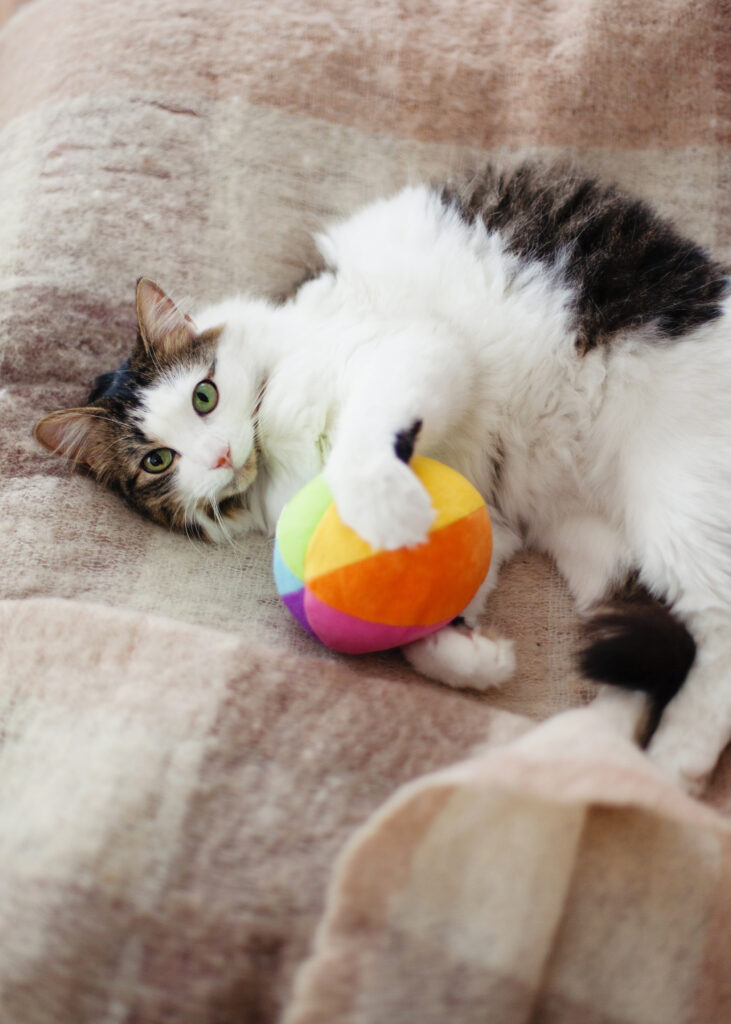
Make changes gradually instead of switching up your pet’s routine all at once. Keep an eye on their energy and behavior and make sure they have access to fresh water during outdoor activities. For cats, interactive toys, climbing furniture and other forms of enrichment can help keep them mentally active indoors.
If your pet is older, has a medical condition or has unique exercise needs, talk with your vet about an activity routine that works for them.
READY FOR A COZY FALL WITH YOUR PET?
From comfy beds and enrichment toys to grooming supplies and outdoor gear, your local pet store has everything you need to help your best friend enjoy the season.
Not sure where to start? Visit your neighborhood store to chat with your local pet experts. We can help you find the perfect fall essentials for your dog or cat.
ASK AN EXPERT: FREQUENTLY ASKED QUESTIONS ABOUT FALL PET CARE
What does my dog need for fall?
Fall essentials for dogs include a cozy bed, seasonal nutrition, grooming supplies, outdoor gear, flea & tick prevention and enrichment toys. Reflective gear can also be helpful for low-light walks.
What does my cat need for fall?
During the fall season, cats need a cozy place to rest, nutritious food, enrichment toys and grooming supplies. Plus, identification and flea & tick prevention.
What are the most important fall safety tips for dogs?
Keep dogs away from harmful foods, plants, mushrooms and outdoor debris. Continue flea & tick prevention year-round, check for ticks regularly and use reflective walking gear when visibility is low.
What are the most important fall safety tips for cats?
Keep seasonal foods and decorations that could be harmful out of reach. During Halloween, give cats a quiet space away from activity and a calming supplement if needed. Make sure their preventative care is up to date.
Do pets still need flea & tick prevention in the fall?
Yes! Fleas & ticks are still active in the fall. Continue your pet’s preventative care routine and check for ticks after outdoor adventures.
How can I keep my dog safe on fall walks?
Keep your dog leashed when exploring new spots, watch for outdoor hazards, check for ticks and use reflective or light-up gear when visibility is low.
What should I watch out for during Halloween?
Keep candy and unsafe foods away from pets, secure decorations and choose costumes that don’t restrict movement, breathing, hearing or vision. Give pets a quiet space to relax and consider a calming supplement to prevent anxiety.
How do I know if my pet is too cold outside?
Look for signs of discomfort such as shivering, reluctance to continue or seeking warmth. Bring your pet inside if they seem too cold and contact your vet if you’re concerned. A cozy sweater or jacket can provide extra warmth on chilly walks.
Should I change my pet’s exercise routine in the fall?
You may need to adjust activity based on temperature, weather and daylight. Make changes gradually and pay attention to your pet’s energy level and behavior.